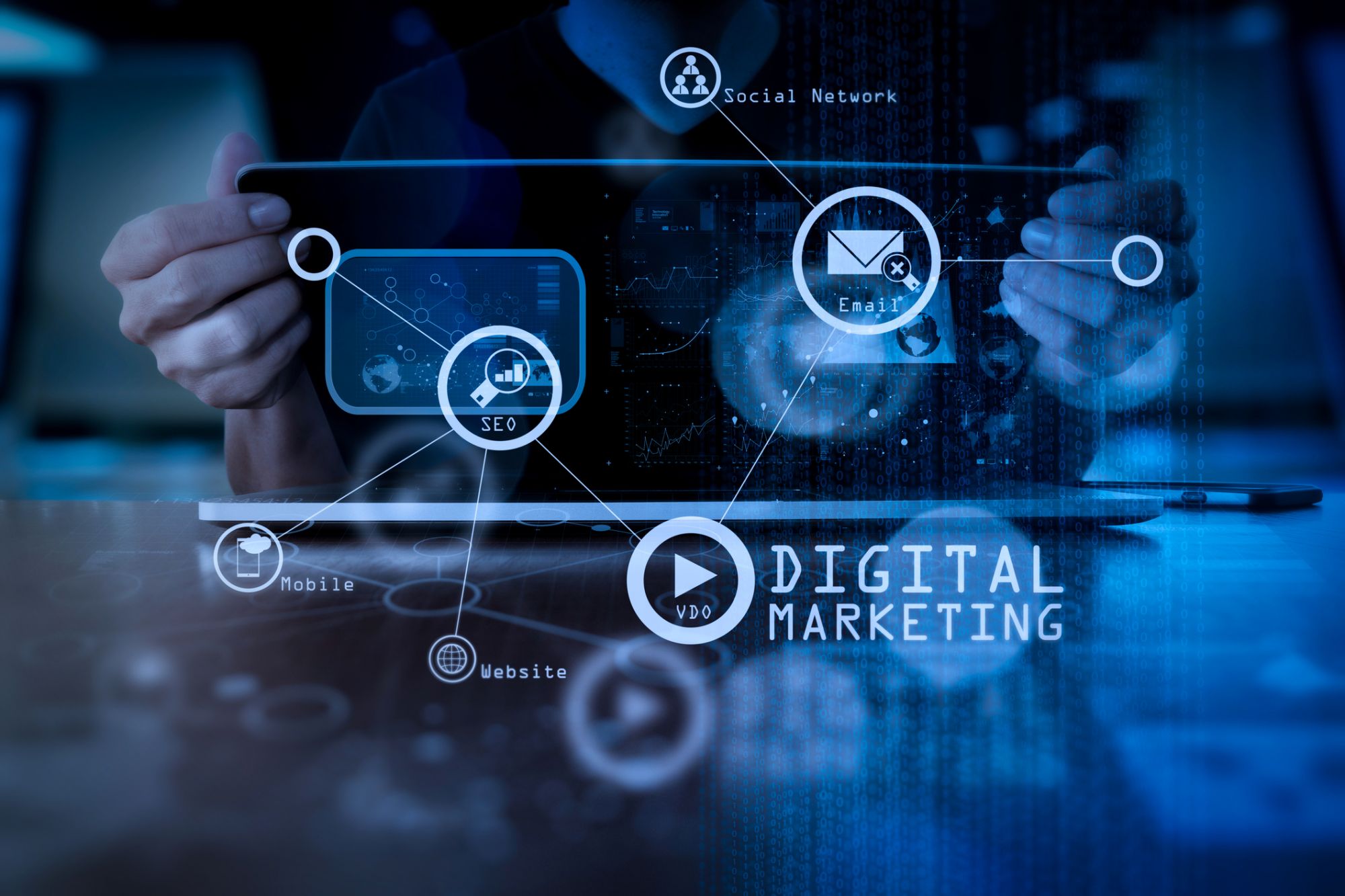
Digital marketing is a broad term that refers to all marketing efforts using the internet or electronic devices. It involves utilizing various digital channels such as websites, social media platforms, email, and search engines to connect with potential customers. Unlike traditional marketing, which relies on print ads, TV commercials, or billboards, digital marketing focuses on reaching audiences where they spend a significant amount of time—online.
The key components of digital marketing include search engine optimization (SEO), content marketing, pay-per-click advertising (PPC), email marketing, social media marketing, and online public relations. SEO helps businesses improve their visibility in search engine results, while content marketing focuses on creating valuable content to attract and engage the target audience. PPC ads allow businesses to place ads on search engines or other platforms and only pay when a user clicks the ad. Social media marketing is all about building relationships and brand awareness through platforms like Facebook, Instagram, and Twitter.
Digital marketing also gives businesses the ability to measure the performance of their campaigns in real-time. Tools like Google Analytics enable businesses to track website traffic, conversion rates, and customer behavior, allowing for adjustments to be made quickly to improve results.
A 30-day course covering on-page and off-page optimization, keyword research, link building, and technical SEO to improve website rankings effectively.
This course covers Google Ads and social media advertising strategies, budget management, and conversion tracking to maximize ROI.
Learn strategies for managing and growing social media accounts, creating content, and engaging with audiences on platforms like Facebook, Instagram, and LinkedIn.
This course covers strategies to promote online stores, including product listing optimization, advertising, and customer retention tactics.
Key Performance Indicators (KPIs) are crucial for evaluating the success of digital marketing strategies. These metrics provide insights into the effectiveness of campaigns and help businesses make informed decisions. Digital marketers rely on KPIs to measure performance, identify areas for improvement, and compare results with competitors.
Common KPIs used in digital marketing include:
Click-Through Rate (CTR)
The click-through rate measures the percentage of users who click on an advertisement compared to the total number of impressions. A high CTR suggests that the ad is compelling and resonates with the target audience. This metric is important for assessing ad copy effectiveness, design appeal, and audience targeting.
Conversion Rate
Conversion rate goes beyond CTR by tracking the percentage of users who take a desired action, such as making a purchase, signing up for a newsletter, or downloading a resource. A high conversion rate indicates that the marketing message aligns well with audience needs and encourages action.
Social Media Engagement
Social media engagement includes metrics such as likes, shares, comments, and follows. These interactions provide insight into how well a brand is connecting with its audience on platforms like Facebook, Instagram, and Twitter. High engagement levels indicate strong audience interest and content relevance.
Website Traffic
Measuring website traffic helps businesses understand how many visitors their site receives over a given period. This KPI provides insights into the effectiveness of various marketing channels, such as organic search, paid ads, and social media. Analyzing website traffic can reveal patterns in user behavior and help optimize content strategies.
Bounce Rate
Bounce rate measures the percentage of visitors who leave a website after viewing only one page. A high bounce rate may indicate issues such as poor user experience, irrelevant content, or slow loading times. Monitoring this metric helps businesses improve their website to retain visitors and encourage further engagement.
Customer Acquisition Cost (CAC)
CAC calculates the total cost of acquiring a new customer, including expenses related to marketing campaigns, advertising, and sales efforts. Lowering the CAC while maintaining quality leads is a key goal for marketers to maximize return on investment (ROI).
Return on Investment (ROI)
ROI measures the profitability of digital marketing efforts by comparing the revenue generated to the total cost spent. A positive ROI indicates successful campaigns that deliver value, while a negative ROI may require strategy adjustments.
Email Open and Click Rates
These metrics track the effectiveness of email marketing campaigns by measuring the number of recipients who open emails and click on included links. High open and click rates suggest compelling subject lines and valuable content that resonates with the audience.
Tracking these KPIs allows businesses to refine their digital marketing strategies, optimize their budget allocation, and improve overall performance. By leveraging data-driven insights, marketers can enhance their efforts to achieve better engagement and business growth.
Digital marketing covers a wide range of strategies and platforms that businesses use to connect with customers, promote products, and grow their presence in the market. This field combines advertising, analytics, and sales techniques to create successful campaigns. Companies may manage digital marketing in-house or outsource it to agencies that handle multiple clients.
While traditional marketing through print, television, and radio is still relevant, the internet has revolutionized how businesses interact with consumers. This shift has led to new opportunities for companies to engage in digital marketing.
The growth of digital tools prompted businesses to adjust their marketing plans and budgets. Early on, email marketing provided a direct, trackable way to communicate with customers. As the internet evolved, search engines like Netscape became a key part of digital marketing, allowing businesses to improve their online visibility with keywords and tags. Later, social media platforms like Facebook took marketing to the next level by enabling businesses to target specific audiences based on user behavior and interests. This development allowed for more personalized and effective marketing strategies.
Testimonials
"I enrolled in JDM Digital Marketing Training to expand my digital marketing skills, and I am beyond impressed. The course materials were comprehensive, well-structured, and easy to follow. The instructors were knowledgeable and always available to clarify any questions I had. Thanks to this training, I've gained confidence in my abilities and seen noticeable improvements in my work performance!"
"JDM Digital Marketing Training exceeded my expectations! I had no prior experience in digital marketing, and now I feel equipped to handle everything from SEO to social media strategies. The hands-on approach was incredibly helpful, and the real-world examples made it easy to understand complex concepts. Highly recommend this training program!"
Have Questions?
Blogs
February 14, 2026
January 30, 2026
January 17, 2026